


Building New Houses in the South Downs: Policy Routes & Landscape-Led Design Strategies
As an Architect in Winchester, we love working in the South Downs; building new bespoke homes in the South Downs can be significantly harder than extending or replacing an existing home.
This guide unpacks when it’s actually possible, which routes work, and what “landscape-led design” actually means when you’re creating something a new bespoke home in the South Downs.
Firstly, you can check if you fall within the Catchment of the South Downs National Park here.

Settlement Boundaries in the South Downs
Before answering whether you can build new, you need to understand settlement boundaries – one of the most important concepts in South Downs Planning Policy.
What are Settlement Boundaries?
Settlement boundaries are drawn lines on planning maps that define where villages and towns end, and open countryside begins. Everything inside the boundary is considered “within settlement.” Everything outside is “countryside.” This distinction changes everything about what’s permitted.
Search your postcode or location and zoom in. You’ll see colored boundaries around settlements like Winchester, Alresford, Twyford, and smaller villages. By clicking on the coloured lines, you’ll get a pop-up with more information on that specific boundary.

Why Settlement Boundaries Matter for New Homes
Inside a settlement boundary:
- Presumption in favour of development applies
- New houses are generally supported
- Design must respect local character, but you’re not fighting conservation policy
Outside a settlement boundary (open countryside):
- Strict restrictions on new housing
- New market housing is only allowed in exceptional circumstances
- Conservation of the landscape is the primary policy goal
Within Policy SD25, the planning authority explicitly excludes residential gardens from “previously developed land” in non-urban areas. A house plot, no matter how large, is not “previously developed.” Building a new house in your garden – whether you own 5 acres or 50 – is countryside development and triggers strict policy restrictions – unless appropriate re-use can be demonstrated.
So what are the strategies to building a new home in the South Downs now we understand the underlying principles?
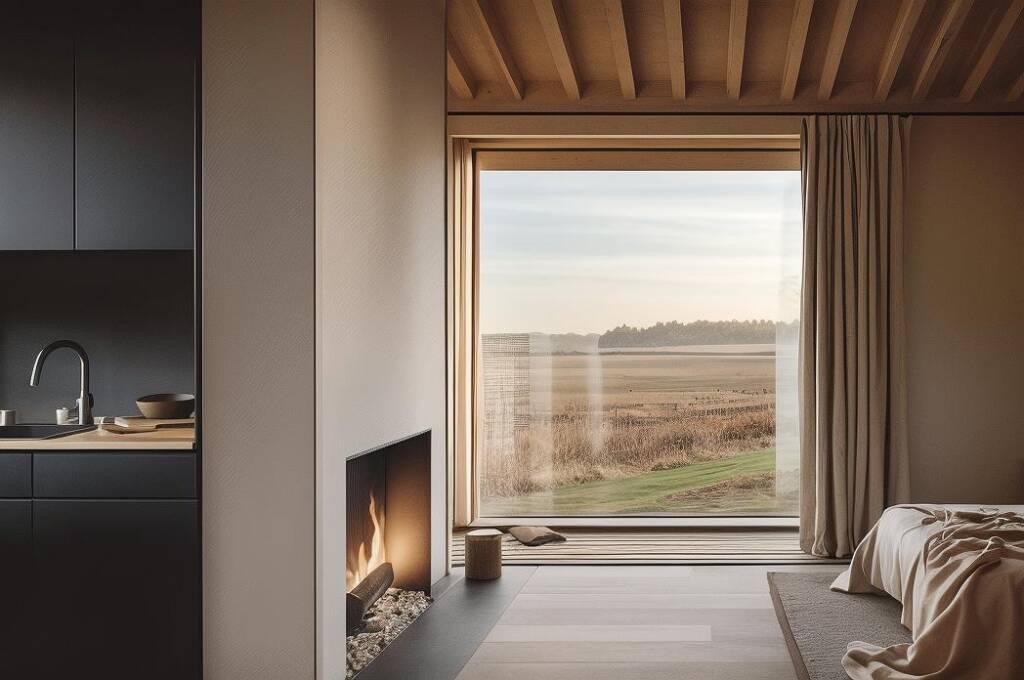
Our Shortlisted Competition Entry: Folklore Retreat | by ZAHRADA
Locations to Build Bespoke Homes in South Downs
First step: Check the policies map. Understanding where you sit inside or outside settlement boundaries is where every feasibility conversation begins. You can then select the most appropriate route below.
_____
Route 1: Infill Within Settlement Boundaries
Infill means filling a gap between existing buildings within a defined settlement boundary. It’s not a garden extension. It’s actual vacant land, typically in a town or village, where a new house slots between other properties.
Within settlement boundaries, the planning presumption flips in your favor. NPPF Paragraph 11 creates a “presumption in favor of sustainable development”, meaning planners are supposed to approve development unless it causes significant harm.
This is a massive difference from countryside development, where you start from a position of “no.”
- Planning Timeline: 6–12 months typically
- Landscape assessment required: Minimal
- Design review panel: Likely not required
Infill sites in South Downs settlements are genuinely difficult to find. Most villages and towns have been built out for decades. The few gaps are often:
- Behind existing properties
- On contaminated land
- Subject to listed building/conservation area constraints
- Owned by locals with no intention of selling
_____
Route 2: Rural Worker’s Housing
Rural workers’ housing allows a new dwelling where there’s a proven need for a worker to live at or near their workplace.
This typically applies to:
- Farming operations
- Forestry businesses
- Equestrian enterprises
- Agricultural contracting
You’ll need robust evidence of:
- A genuine business operating at the site (3–5 years of accounts)
- Why that worker must live on-site (not just convenient)
- Financial viability of the business depending on on-site accommodation
This usually requires an agricultural consultant or business advisor to evidence your case. The planning authority will scrutinise it thoroughly.
There’s a catch: the house will have an “agricultural tie” condition, meaning it must remain tied to the business operation. If the business changes or closes, future owners can’t simply live there – they’d need to apply for a variation of the planning consent, which is rarely granted. This significantly affects resale value.
_____
Route 3: NPPF Paragraph 80 – Exceptional Quality Isolated Homes
NPPF Paragraph 80(e) allows isolated dwellings in the countryside where the design is “exceptional quality,” reflecting the “highest standards in architecture” and enhancing the landscape setting.
In practice, inspectors have dismissed hundreds of Paragraph 80 appeals. The bar is extraordinarily high.
It means an application needs:
- Landscape-responsive design (emerges from the landscape, not imposed on it)
- Compelling narrative of why this building belongs in this place
- Highest architectural standards (proven through design review or precedent)
- Material excellence and authentic detailing
- Enhancement of the immediate setting

Maximising Your Chances For a Bespoke Home Planning Approval
Whether you’re pursuing infill, rural workers, or Paragraph 80, landscape-led design is how you actually get approved. It’s a methodology where design decisions are driven entirely by site character, not architectural preference. Your building must emerge from the landscape, not be imposed on it. This requires:
- Understanding topography (are you cut into a slope, or perched on top?)
- Respecting vegetation patterns (woodland edges, hedgerow alignments)
- Aligning with settlement grain (building density, street patterns)
- Using local materials authentically
- Considering viewpoints (who sees the building, and from where?)
The South Downs Material Palette
The SDNPA loves buildings that “speak of their place.” You can also utilise their Adopted Design Guide to help with your design strategy here. You should also reference local design guides, including your village design statement, if available.
Traditional materials are the safe bet, but in some contexts, new materials that are well detailed may be more suitable.
Generally, busy material palettes should be avoided, and low-carbon materials will be encouraged.

Ecology: BNG, Nutrient Neutrality & Credits
Generally, every new dwelling must deliver a 10% measurable increase in biodiversity and maintain it for 30 years via legal agreements. This applies to nearly all new builds; however, self-builds are exempt if they meet certain criteria.
If looking for an exemption, the development must:
- consist of no more than 9 dwellings
- be on a site that has an area no larger than 0.5 hectares
- consist exclusively of dwellings that are self-build or custom housebuilding as defined in section 1(A1) of the Self-build and Custom Housebuilding Act 2015
You can check if you qualify as a self-build and custom housing here.
_____
How to Achieve 10% Biodiversity Net Gain
- On-site habitat creation – wildflower meadows, native hedgerows, bat boxes
- Off-site mitigation – purchase habitat units from established credit suppliers
Generally, it’s much cheaper and more favourable to complete most of your 10% Net Gain on-site, as Off-site mitigation can be expensive.
For your Planning Application, you’ll need an ecologist to:
- Survey the existing site (baseline biodiversity)
- Design habitat enhancements (gaining 10% measurable value)
- Commit to 30-year monitoring
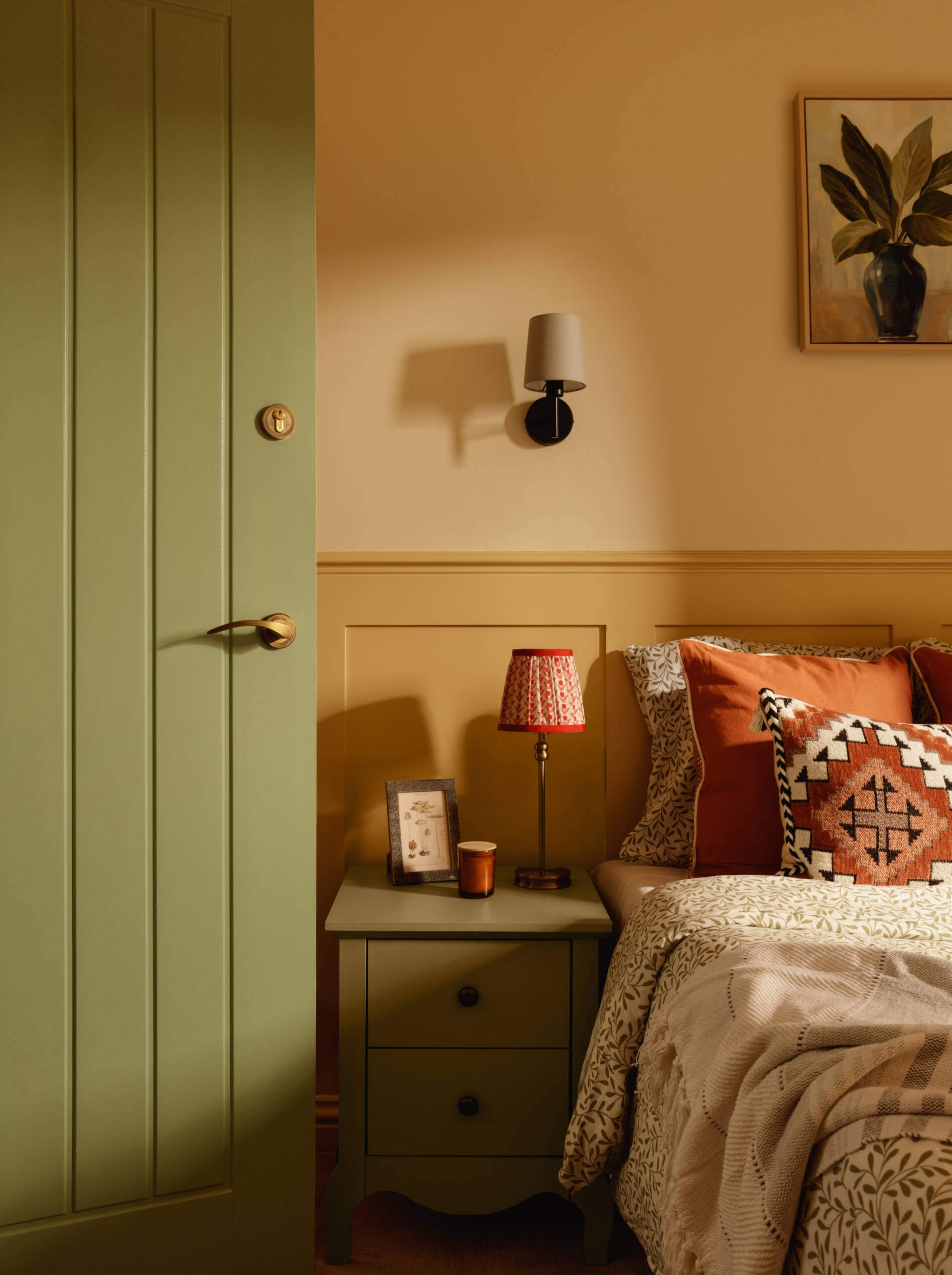
Nutrient Neutrality: The Solent & Itchen Catchment
Residential projects in certain catchments must prove they don’t increase nitrogen/phosphorus pollution (which kills aquatic habitats). This is where new builds can become expensive. The costs for this vary, depending on size of property, on-site mitigation and your local waste treatment works however the following figures should help manage your expectations and what to expect:
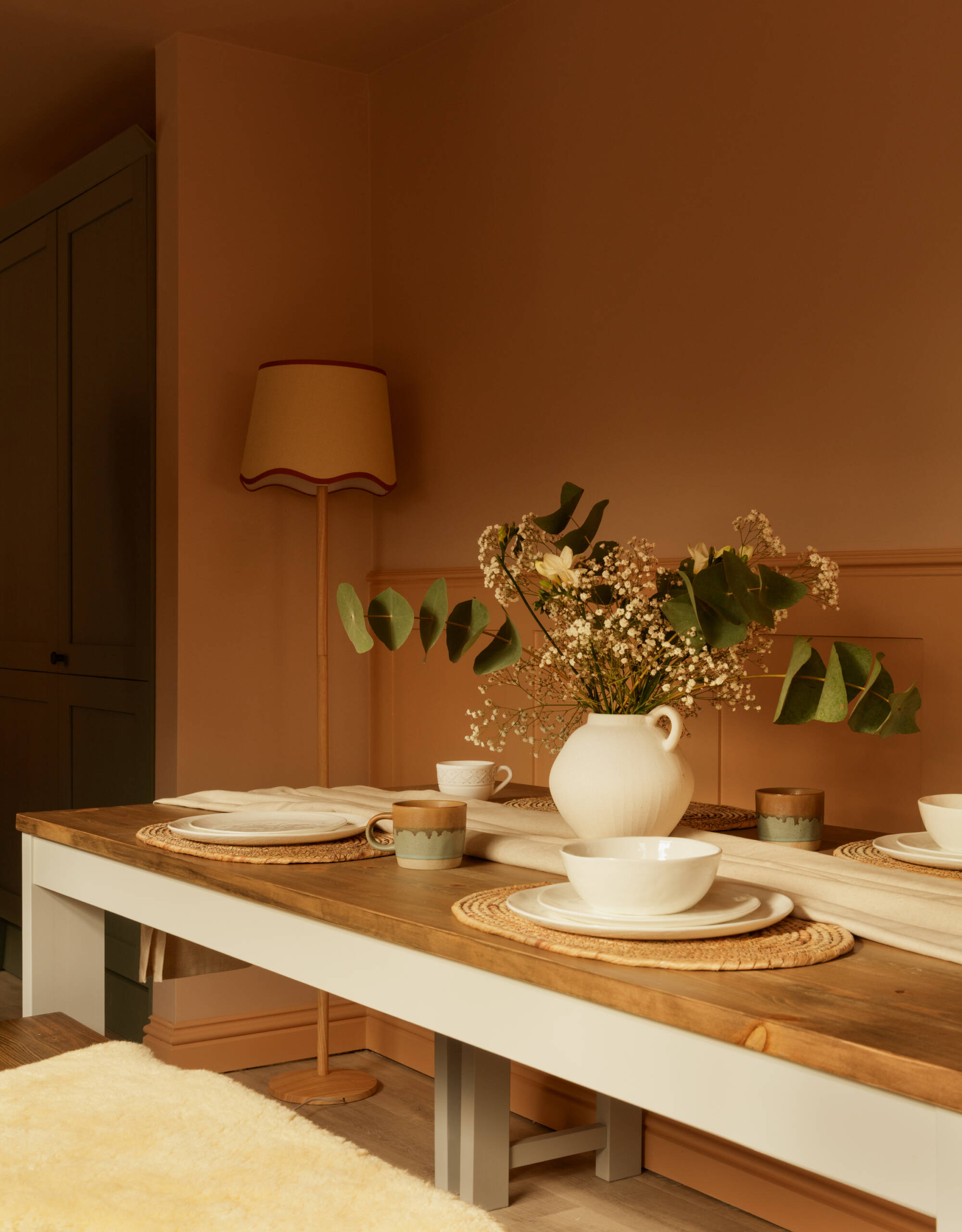
Timescales for Bespoke Home Planning Application
If you’re in a settlement, this cost could be roughly 50% less, depending on the complexity of your site and brief.

Build Costs for New Builds in the South Downs in 2026
The build costs will vary, whether you’re looking to build a suburban infill property or a design-led paragraph 80 home. However, here are some benchmarking figures to help you with your planning:
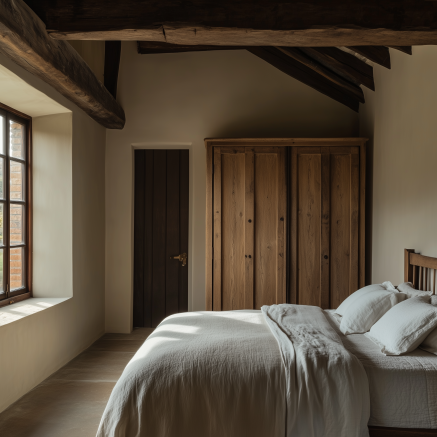
About the Author
Email: design@zahrada.co.uk
Phone: +44 01962 453990
ZAHRADA is led by Tim Willment, an ARB-registered Architect. He is supported by his wife Zofia, an Architectural & BIID-registered Interior Designer.
We’ve built a design practice that is small, intimate and approachable. We have a particular fondness for breathing new life into old and forgotten spaces, giving them a “glow up” that respects their history while adding a fresh, modern twist.