


Winchester district holds over 2,262 listed building entries – 67 Grade I, 126 Grade II*, the rest Grade II – across 37 conservation areas. If you own a home in the historic core, St Cross, or the surrounding villages, your house (and often its walls, outbuildings and railings) is likely protected. Here is how to find out if your property is listed, and what that means for your project.
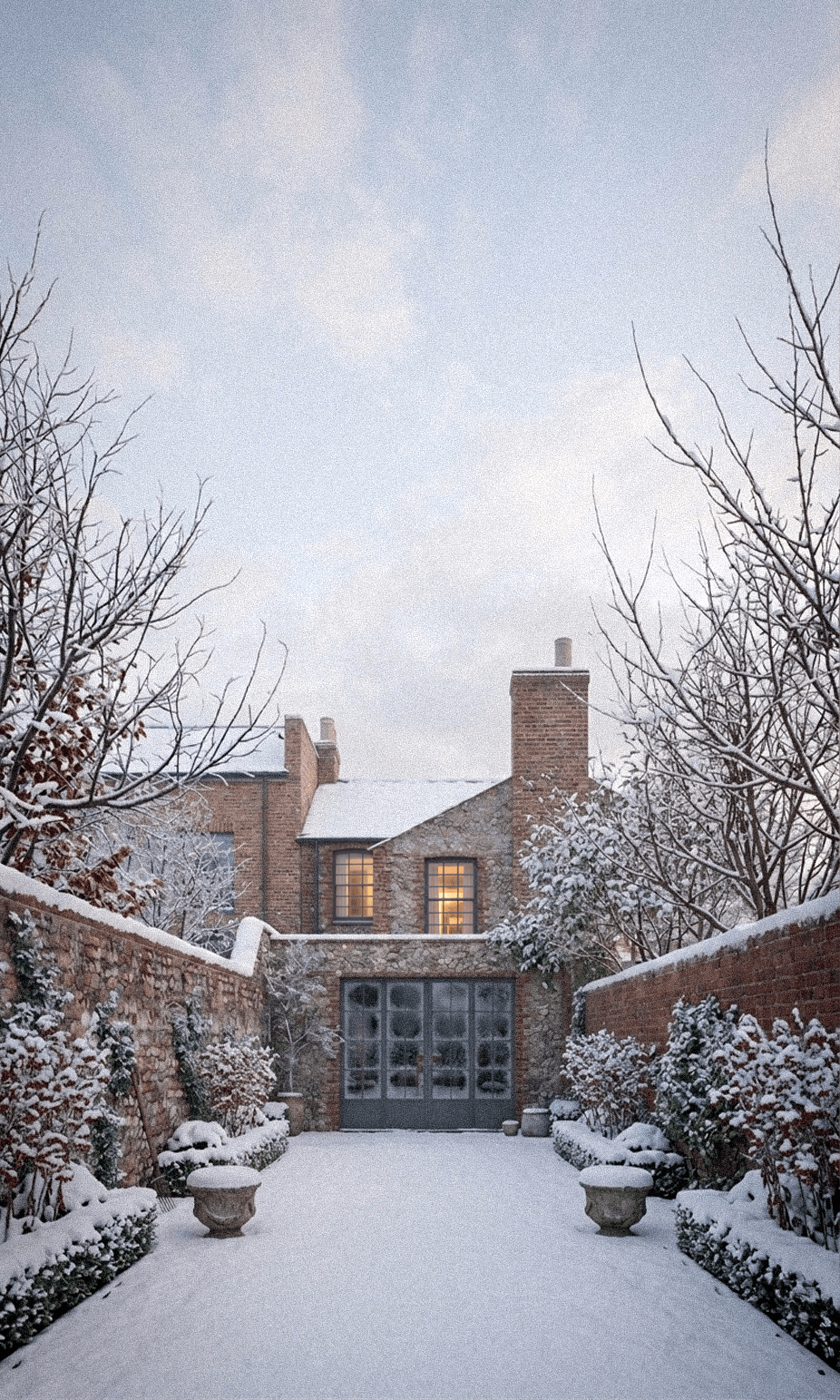
What does a Listing Protect?
The protection covers the whole building, inside and out, plus anything that gives it its character.
- Interiors are protected. Staircases, fireplaces, cornicing, panelling, floorboards, doors, ironmongery, even room layout. Internal and invisible from outside does not mean exempt.
- Your modern 1970s extension is listed. Even though it may not be of any significance, any alterations may require Listed Building Consent.
- Curtilage is protected. Detached structures in the grounds that pre-date 1st July 1948, a coach house, boundary wall, gate piers – can be covered even if not named in the listing.
- The grade doesn’t change the rules. Grade II carries the same consent requirements and the same penalties as Grade I. Grade reflects how exceptional the building is.
Read your own entry on the National Heritage List for England.
____
What needs Listed Building Consent?
You need consent for any work that affects the building’s character – and we find that this captures far more than most owners expect. It is not limited to structural change or the exterior: replacing a window, moving an internal wall, repointing in the wrong mortar or removing a fireplace can all require consent. The specific jobs people ask about most are set out in the traffic-light guide below.
Conservation officers protect significance; they don’t reflexively refuse and often will work with you to get your end-goal. With the right heritage strategy, these are all realistic:
- Sensitive extensions, usually to the rear and subordinate to the original
- Genuine repairs in appropriate traditional materials
- Reinstating features lost to past unsympathetic alterations
- Discreet modern services – heating, lighting, careful retrofit insulation
- Reconfiguring later, low-significance additions, leaving original fabric alone.
_____
Do I need consent for…? our traffic-light guide.
Here are questions we get asked all the time, so we put these into a traffic-light system for you. The colour is about how likely the work is to be acceptable, not whether it needs consent. Almost anything that affects the building’s character requires Listed Building Consent regardless of colour – always check before you proceed.
🟩 Green: usually acceptable (but may still need LBC)
- Like-for-like repair using matching traditional materials
- Redecorating or repainting surfaces that are already painted
- Reinstating lost historic features — putting back an original-style fireplace, returning a uPVC window to timber
- Sensitive, reversible work to already-modernised, low-significance areas
- Removing or altering genuinely modern, non-original additions (see below)
- Repairs and alterations to a modern extension
🟨 Amber: case by case, needs justification
- Rear or side extensions – depends on scale, design and impact
- New openings or layout changes – depends which walls, and whether the historic plan form survives
- Replacing windows or doors, even in a similar design
- Conservation rooflights on rear or subordinate slopes
- Solar panels – often possible, but not on principal or prominent elevations
- Retrofit insulation and secondary glazing – breathability and detailing are everything
- Air-source heat pumps, flues and external services – siting-dependent
- Loft conversions and dormers
🟥 Red: very unlikely
- Demolishing the building or any substantial historic fabric
- Removing original staircases, significant fireplaces, panelling or decorative plasterwork
- uPVC windows or doors in place of historic timber
- Cement render or pointing over historic lime fabric
- Swapping historic roof coverings (e.g. handmade clay) for modern or artificial materials
- Knocking principal rooms together and losing the historic plan form
- Large modern openings or picture windows in a principal elevation
- Painting or abrasively cleaning previously unpainted historic brick or stone

What does it cost to renovate a listed building in Winchester?
Listed renovation typically runs 15 – 40% more than equivalent work on a non-listed property. And much of the cost is hidden until you open up old fabric – damp, rot, failed structure. We always recommend a healthy contingency budget when it comes to listed & even older heritage homes. It’s hard to price these type of renovations on a per square meter, but we can assist clients with getting budgets early doors before detailed design work commences.
As a starting point, an indicative 2026 guide for a Grade II home in Winchester:
- Decorative refurbishment: around £1,800–£2,160 per m²
- Full renovation including structural work: around £2,160–£3,360 per m²
- High-spec restoration with period features: £3,000–£4,800+ per m²
We work two ways when it comes to budgeting for your project:
- Vision first. You tell us what you want. We design it, cost it, then refine the scheme with you until it fits your budget – so you see the trade-offs before money is spent.
- Budget first. You set the figure. We design to it from day one and work closely with trusted local contractors to keep the scheme buildable for that number.
Either way the goal is the same: no surprises at tender, and a scheme the council will support that you can actually afford to build.
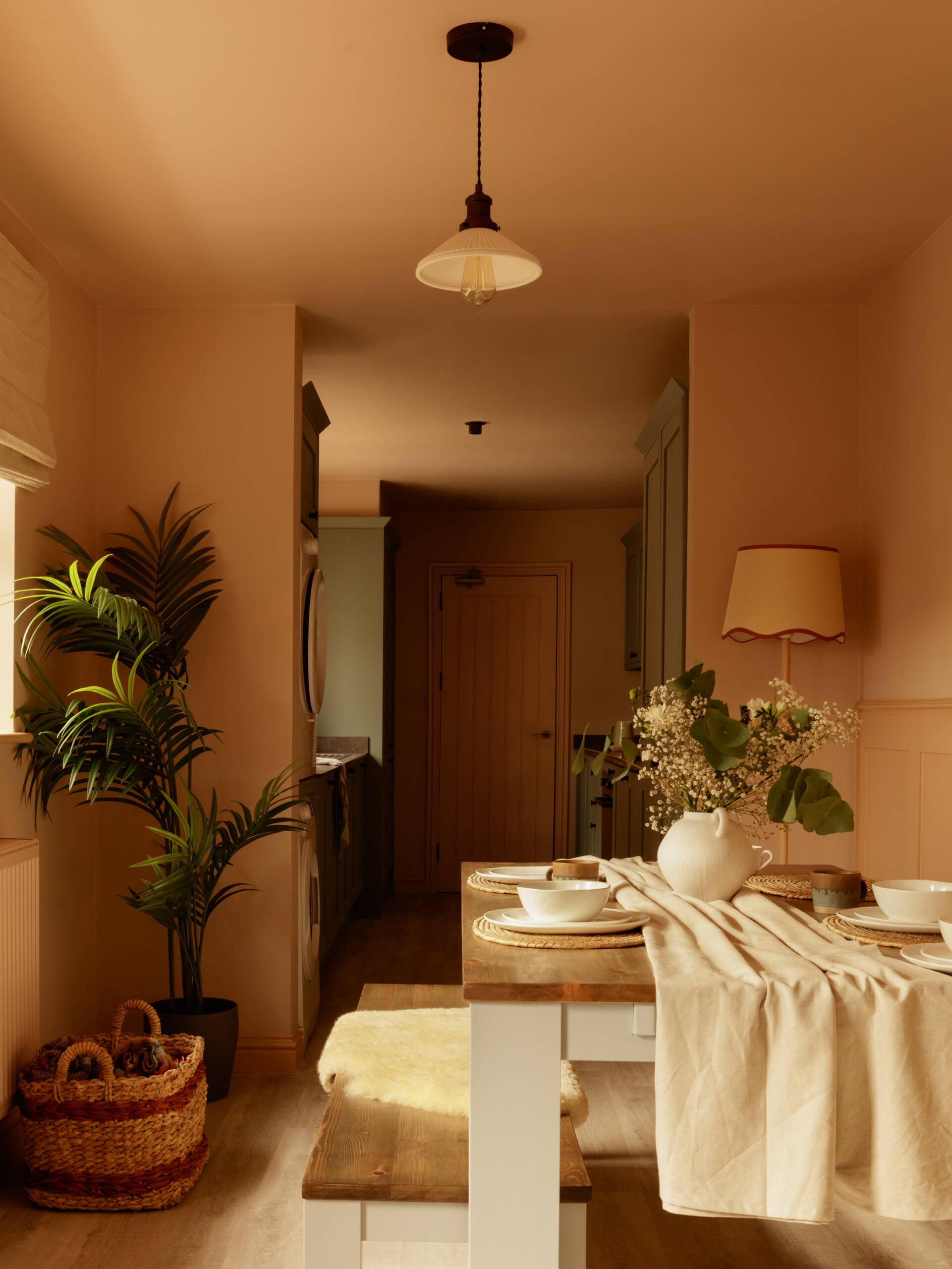
How the process works in Winchester
Winchester City Council is the local planning authority, so you’ll be dealing with their Conservation and Design Team. At ZAHRADA always recommend to work with them early – they don’t often bite.
Step 1: Create a Realistic Renovation Strategy
Your first step should be to establish the significance of the buildings, identifying that makes the building special. This early research will dictate the concept design strategy, and advise on what can and can’t be done. We always provide our clients with a traffic light system against the alterations they want to do at the outset to avoid wasted time & money.
Step 2: Use Pre-Application Advice
The council offers it as a chargeable service, and for listed work it surfaces objections while they’re still cheap to fix.
Step 3: Submit Your Application
Take onboard any feedback from the Local Planning Authority, conduct any further investigations (subject to LBC) to help justify your proposals. A heritage statement should be developed and submitted at this point, a weak statement a common cause of delay or refusal.
Our learnings:
Across the listed projects we’ve delivered in Winchester and Hampshire, the same three principles come up again and again.
Listing protects a building’s setting, not only the building itself – so new development within its plot or nearby is judged on its effect on that context. On Winchester’s plots, new homes are achievable, but only where the design defers to the host dwelling and its surroundings rather than competing with them.
It’s natural to assume a bigger extension means a harder fight. Sometimes the reverse is true. Where a new addition is joined to the original by a lightweight, subordinate glazed link, the historic building stays legible – frequently better revealed than before – and that can justify a larger extension than a directly attached one. A scheme that shows off the historic fabric rather than hiding it makes the conservation argument easier if you’re ambitious.
The most reliable route to a smooth consent is to keep substantial works within later, low-significance fabric and leave the historic core untouched. It’s how even significant new uses – a spa within a Grade II building, for instance – can be approved, by isolating the intervention to modern parts of the structure. Map significance first, then place your most disruptive plans where they do least harm.
_____
Conclusion
Understand what is genuinely significant before you design, and work with the building rather than against it. Understanding the building allows you to achieve your goal, whilst keeping the Conservation Team help.
ZAHRADAspecialises in heritage and listed building work across Winchester and Hampshire. If you’re weighing up what’s possible with your listed home, talk to us as early as you can.
Written by Tim Willment, RIBA
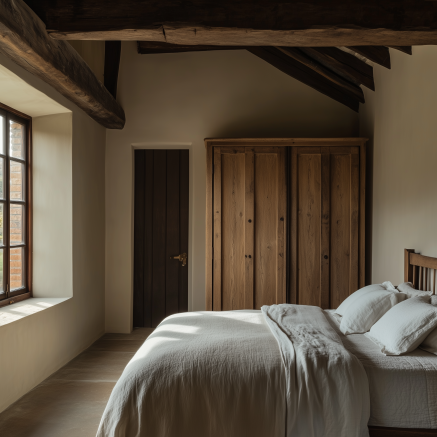
About the Author
Email: design@zahrada.co.uk
Phone: +44 01962 453990
ZAHRADA is led by Tim Willment, an ARB-registered Architect. He is supported by his wife Zofia, an Architectural & BIID-registered Interior Designer.
We’ve built a design practice that is small, intimate and approachable. We have a particular fondness for breathing new life into old and forgotten spaces, giving them a “glow up” that respects their history while adding a fresh, modern twist.